
Add Row
Add Element
cropper
update
Southern Sustainable Living
update
Add Element
  • Home
  • Categories
    • builders and architects
    • sustainable living
    • eco homes
    • Tiny Homes
    • News
    • Technology Updates
    • Creative Lifestyles
August 08.2025
2 Minutes Read

Why Shipping Container Homes Are The Future Of Independent Living

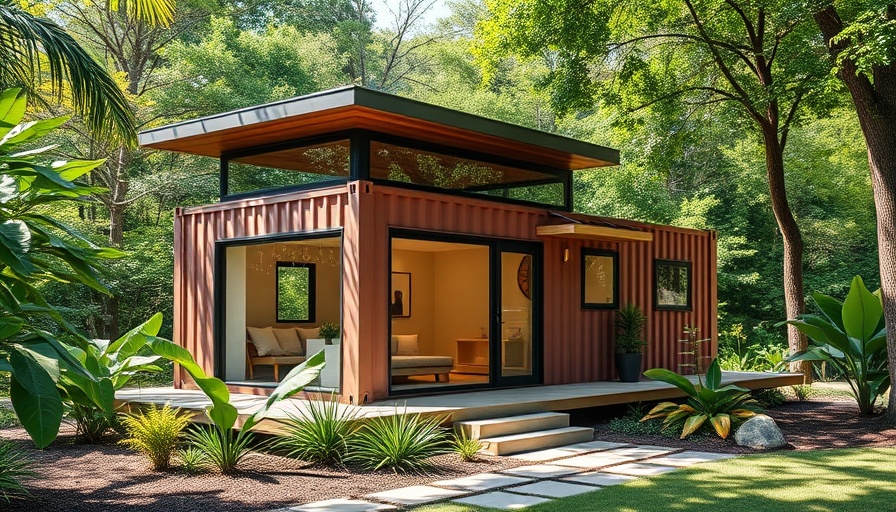
Modern shipping container home surrounded by greenery.

Shipping Container Homes: A Sustainable Living Revolution

Imagine transforming an old steel box, once relegated to the shadows of shipping ports, into a cozy, stylish home. Enter shipping container homes—a unique solution for individuals seeking a modern yet eco-friendly living option. This trend has surged from quirky idea to a beacon of sustainable living, captivating the imagination of those aged 30 to 60 looking for independence.

The Allure of Container Living

Shipping container homes are becoming increasingly popular due to their affordability, quick construction time, and undeniable aesthetic appeal. Their raw industrial charm, characterized by exposed metal and minimalist design, makes them an attractive option for those who value modernity with a twist. Beyond aesthetics, these homes offer practical benefits, such as creative space utilization—with smart layouts, even a 160 square foot container can feel expansive.

Cost Considerations for Your Container Home

While many are drawn to the idea of building a container home, understanding the budget is crucial. A DIY setup can start as low as $15K, whereas hiring professionals can elevate costs significantly, estimated between $50K and $150K. However, potential homeowners should remain aware of hidden costs, such as plumbing and zoning permits, that could arise.

Navigating Legalities and Comfort

Before you embark on your container home journey, it’s essential to check local building laws. Not all cities permit container homes; some classify them similarly to mobile homes, complicating the ownership process. Planning for insulation is also vital; steel containers can become extreme temperature ovens without proper care, making comfort an essential aspect of year-round living.

Conclusion: The Future is Container Living

With their unique blend of sustainability, chic design, and innovative space management, shipping container homes represent a significant shift in how we can think about residential living. Interested in learning more about building or planning a container home? Explore local builders who specialize in sustainable architecture, and take the first steps towards your dream home.

eco homes

1 Views

0 Comments

Write A Comment

*
*
Related Posts All Posts
02.19.2026

Explore the Lost Tiny House Archive Before It's Gone Forever

Update Embracing a New Chapter in Tiny House Design In an era where independent living is gaining momentum, the tiny house movement has inspired many to rethink their traditional housing landscape. Michael Janzen, a pioneer in tiny house design, is marking a significant transition in his career as he prepares to launch new concepts in 2026. First, he is offering a rare opportunity for enthusiasts and builders to dive into his 'Lost Tiny House Archive' before he pivots to fresh designs. The Legacy of Tiny House Plans Between 2008 and 2019, Michael dedicated his skills to creating unique tiny house blueprints that served not merely as construction guides but as educational tools for DIY builders. His approach differed fundamentally from standard house plans, each design demonstrating how elements were meant to fit together, making the process more intuitive for newcomers. This legacy embodies a wealth of knowledge that could greatly aid anyone interested in tiny homes. A Mindful Transition: Smashing the Old Pots Revisiting his roots as a potter, Michael plans to 'smash the pots' — a symbolic act of clearing away the old to make way for the new. Upon recalling his journey, he stumbled upon a backup of his archival designs thought lost. Understanding that many people may still want these classic plans, he has curated them into an accessible bundle, encompassing 24 sets of house plans and 4 design books — a value exceeding $600, now available for just $47. Why This Matters to You This archive represents more than just blueprints; it’s a collection of the collective dream of simplifying life through minimalism, sustainability, and creativity. For many who seek independent living options, owning a tiny house can mean financial freedom and a connection to a more eco-friendly lifestyle. Michael’s long-standing principles in design align perfectly with this audience, making this offer both timely and valuable. A Unique Opportunity to Invest in Your Dreams The chance to own Michael’s carefully crafted designs is dwindling as he prepares to embrace a new direction in 2026. With featured models like the Carrack and Westport showcasing innovative use of space, this limited-time offer is not merely about acquiring house plans; it is an investment in a lifestyle and a chance to embark on your journey toward sustainable living. Take this unique opportunity to engage with the creativity of tiny house living while it lasts. Visit the archive today and consider what it would mean to live your life intentionally, in a home that reflects your values of independence and sustainability.

02.17.2026

Discover How Tiny Houses Foster Community and Connection in Living Spaces

Update Connecting Through Tiny Living: Building Community at Every Turn When we think of tiny houses, we often focus on their clever layouts and innovative designs. However, at their core, tiny houses serve a more profound purpose: they foster human connections and community spirit. This philosophy is beautifully articulated by noted contributors in recent publications, highlighting how living small can lead to larger human experiences. Community-Centric Living: The Heart of Tiny Homes The essence of the tiny house movement transcends physical structures; it's about cultivating a sense of community. Dedria Harper Kolb emphasizes this by discussing not just who lives in tiny homes, but how they support one another. Tiny home communities, such as Tiny Timbers Agrihood in Wisconsin, showcase how shared facilities can nurture relationships among neighbors. These spaces become communal hubs, enhancing the quality of life for residents. Intentional Living and Shared Experiences A pivotal aspect of the tiny house phenomenon is the concept of intentional living. Brenda Mason Parmelee's journey illustrates how downsizing is not merely about reducing space but about embracing heightened clarity and freedom, allowing individuals to focus more on relationships rather than possessions. Each tiny house community cultivates an environment that encourages collaboration—not just in sustainability practices, such as community gardens and energy sharing, but also in creating emotional support structures. Residents learn from and lean on each other, reinforcing the idea that a smaller space can lead to a bigger impact on life experiences. Understanding the Challenges Ahead As the movement expands, it faces challenges, including regulatory hurdles that could hinder the growth of movable tiny houses. Macy Miller is at the forefront of advocating for clearer legal pathways, ensuring that the vision of tiny living as a viable option persists. Such efforts are vital for maintaining the spirit of tiny house living while navigating the complexities of modern society. Embracing the Future of Tiny Living The future of tiny homes is bright, with evolving concepts that blend sustainability and technology. Innovations such as self-driving homes and voice-activated appliances promise to transform how we perceive community living in the tiny house movement. Ultimately, embracing tiny living isn't just about the homes we inhabit; it's about the community we create together. As we navigate this evolving movement, we must remember the roots of tiny living—relationships, support, and shared values that make life more meaningful.

01.30.2026

Why the Future of Relocatable Tiny Houses Depends on Public Support

Update The Push for Tiny House Legislation: What's at Stake? The journey for tiny houses continues to evolve, particularly as advocates work diligently to gain sufficient recognition and regulation that support this innovative housing solution. Following the unsuccessful attempt at the recent ICC hearings, proponents like Martin Hammer and David Eisenberg, along with Macy Miller, have noted a significant pivot towards a more collaborative approach that could redefine the landscape for movable dwellings. Shifting Perspectives: From Movable to Relocatable One of the pivotal changes in this latest legislative effort is the shift in terminology from 'movable tiny house' to 'relocatable tiny house'. Officials in the regulatory community expressed hesitations regarding the focus on transportability, and adopting this new language has garnered positive feedback. By grounding the proposal in familiar terminology, the hope is to eliminate confusion and garner a broader base of support from the voting body. Engaging the Community: The Power of Support As the meetings in April approach, community involvement becomes increasingly crucial. Efforts are underway to collect 20,000 signatures in support of the initiative. Previous successes, such as the incorporation of Appendix Q in 2016, stemmed from similar public engagement strategies. This time, the call for participation extends beyond signatures—to rallying the broader community to email and lobby local officials. Such visible and vocal support will be instrumental in achieving the necessary supermajority vote. The Future of Tiny Homes: A Balancing Act Understanding the nuanced legislative landscape is crucial for advocates and potential tiny home buyers alike. Efforts like legislation for movable tiny homes in states such as Florida underscore a growing recognition of the demand for affordable, flexible housing solutions. Similarly, various states are working diligently on ADU (Accessory Dwelling Unit) initiatives, reflecting a broader trend toward embracing smaller living options as a legitimate and viable choice for sustainable living. Call to Action: Your Voice Matters Engagement from individuals and tiny home enthusiasts can mean the difference between progress and stagnation in tiny house legislation. All supporters can play a vital role by signing petitions, spreading the word, and participating in upcoming public discussions, ensuring that the movement continues to gain momentum. For those eager to voice their support, it's time to get involved and advocate for your right to choose sustainable living options.

Terms of Service

Privacy Policy

Core Modal Title

Sorry, no results found

You Might Find These Articles Interesting

T
Please Check Your Email
We Will Be Following Up Shortly
*
*
*