
cropper
Southern Sustainable Living
  • Home
  • Categories
    • Beautiful Spaces
    • Inspired Design
    • Creative Builders
    • Living Lightly
    • Visionaries
    • Future Living
4 Minutes Read

Jeremy Killian reveals the innovative design philosophy steering Tiny Heirloom toward a new era of sustainable, luxury living.

Too often, sustainable living feels like a sacrifice. Jeremy Killian is changing that—leading Tiny Heirloom into a new era where luxury and sustainability live beautifully together.

On August 22, 2025, Tiny Heirloom LLC, a forerunner in custom, sustainable living solutions, presents an exclusive interview with CEO Jeremy Killian, offering rare insight into the company’s market-defining approach. The feature article highlights how Tiny Heirloom showcases vision for sustainable luxury living, from the roots of passionate craftsmanship to the next generation of custom design and ecological responsibility redefining the modern concept of “home.”

Demand for smaller, smarter, and more mindful living is reshaping the national housing conversation, and Tiny Heirloom stands at the forefront of this cultural shift. Under Killian’s leadership, the company has carved a unique niche—combining tailored luxury, unmatched sustainability, and a philosophy that challenges conventional thinking about space, ownership, and lifestyle. As interest in sustainable living accelerates, this company showcases a vision for sustainable luxury living in a way that resonates with homebuyers, real estate investors, and design enthusiasts alike.

Sustainability is not a side note for Heirloom; it’s the company’s foundation. Every decision, from the initial sketch to the final construction, is made with the intention to minimize environmental impact while maximizing efficiency and comfort. Killian affirms: "Our design choices reflect our commitment to:

“Energy Efficiency: We prioritize insulation, energy-efficient windows, and smart ventilation so that homes stay comfortable with minimal energy use.

  • Natural Light: Designs maximize daylighting, reducing reliance on artificial lighting.

  • Compact Footprint: By building smaller, we’re automatically using fewer resources while encouraging a simpler, greener lifestyle. We see every design decision as an opportunity to minimize impact and maximize efficiency.” The interview explores how energy efficiency, eco-friendly materials, and off-grid systems—not to mention award-winning longevity—define a new standard in tiny home construction."

"What sets us apart shows in our materials, systems and lifestyle impact."
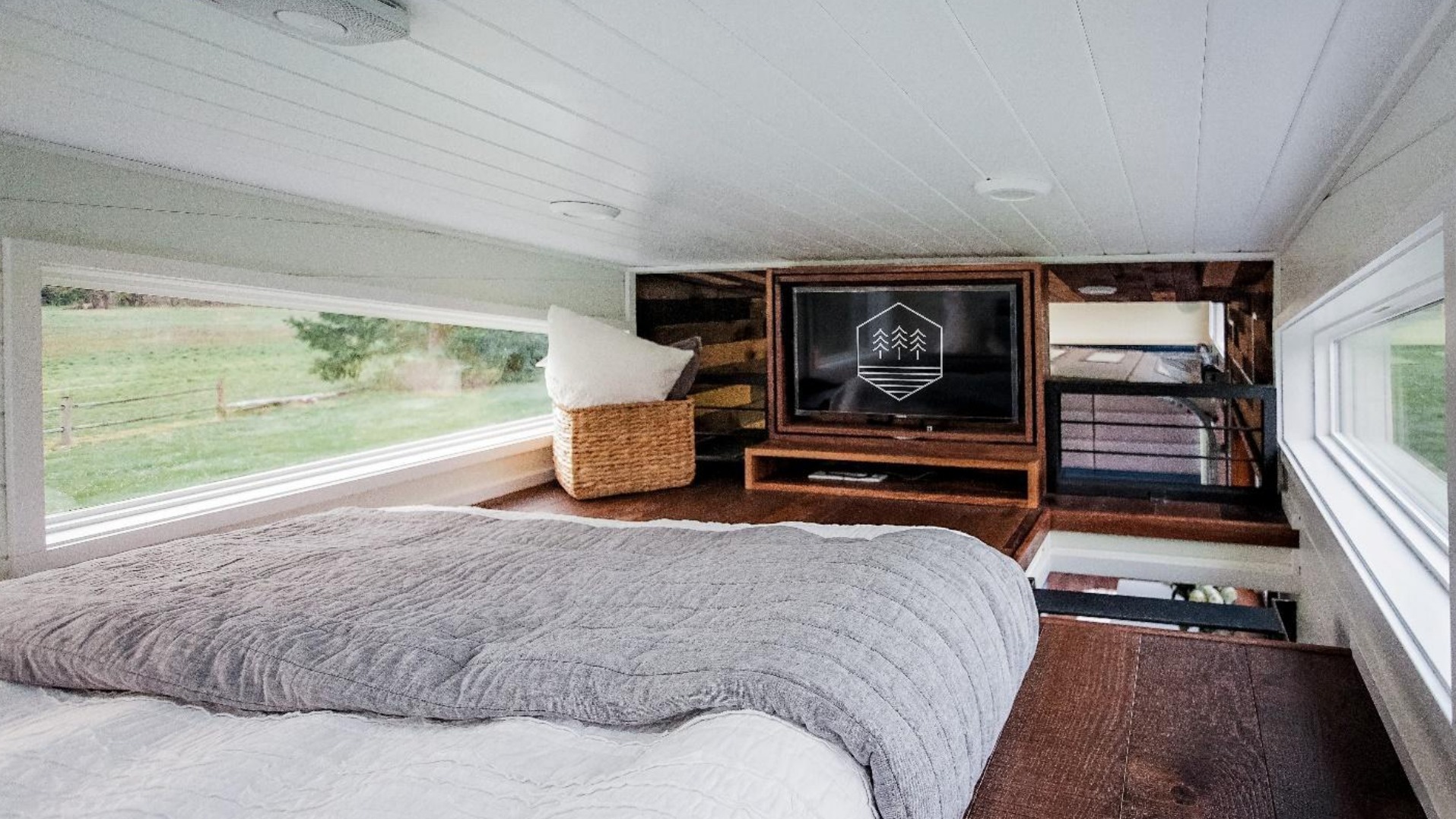
Materials & Construction

  • Eco-Friendly Materials: Whenever possible, we use reclaimed wood, FSC-certified lumber, and low-VOC finishes to reduce harmful emissions.

  • Durability First: A sustainable home isn’t just about materials, it’s about longevity. We build with craftsmanship that ensures each tiny home can last generations, reducing the cycle of waste. ●

  • Water & Energy Systems: We integrate off-grid options like solar power, composting toilets, and rainwater catchment systems for clients who want to take sustainability even further.

Long-Term Lifestyle Impact

Sustainability extends beyond the build. Tiny Heirloom empowers owners to:

  • Lower utility consumption.

  • Reduce waste through intentional living.

  • Embrace mobility and adaptability rather than building large, permanent structures that overuse land and resources.
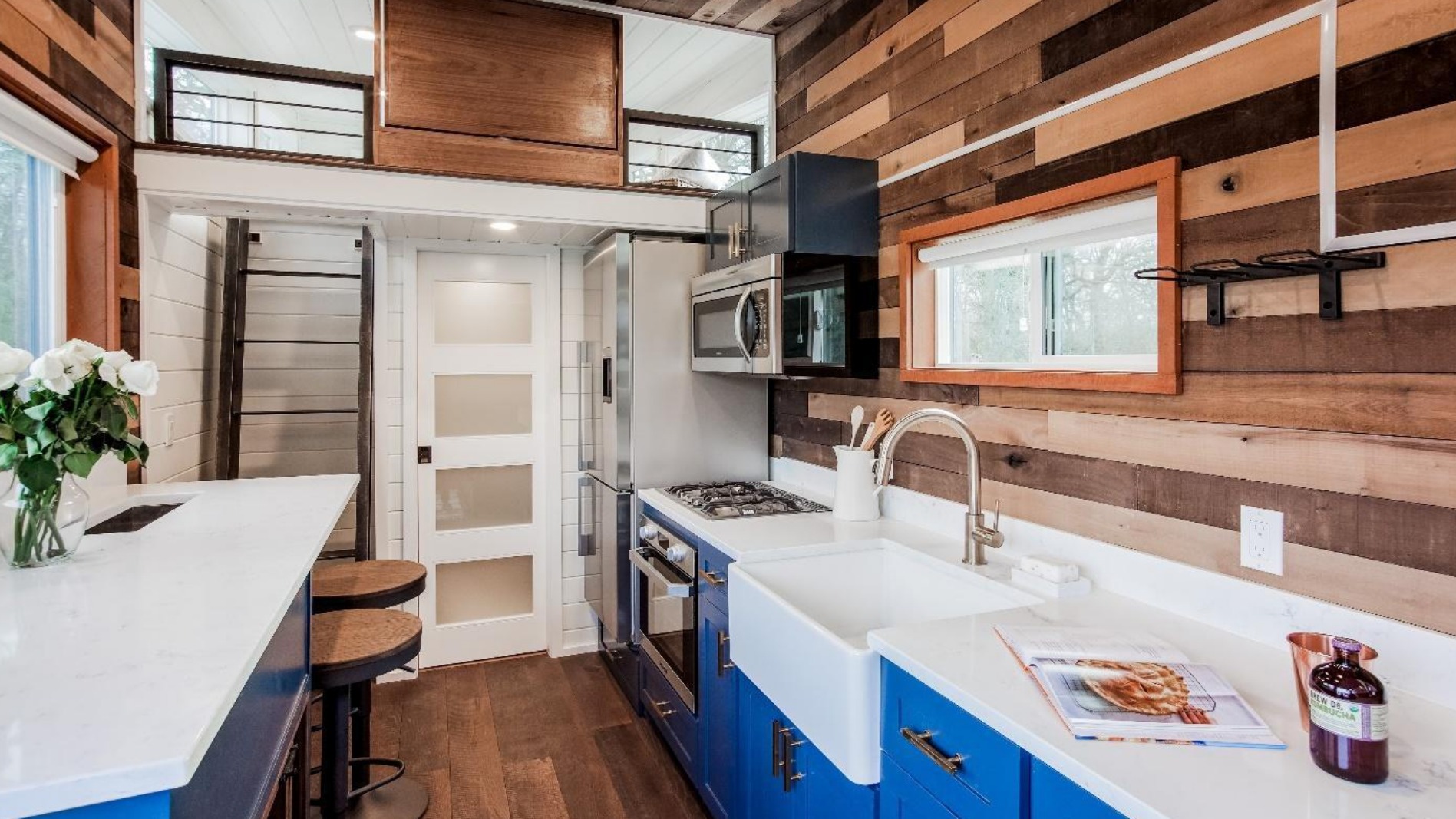
Innovation at Tiny Heirloom takes center stage, with a relentless drive to push boundaries in design and functionality. With a commitment to sustainable luxury livingand longevity, the company fulfills its commitment to delivering custom-built, luxury-grade spaces that always surprise clients. Think: hidden storage, multi-functional furniture, integrated smart technologies, and creative layouts—each transforming limited square footage into stunning, expansive living. While much of the industry relies on templates, Heirloom’s bespoke process means every project is a fresh canvas.

The hallmark of the Heirloom brand is its “downsizing without downgrading” philosophy. Homeowners don’t sacrifice style or standards; instead, they benefit from master craftsmanship, high-end finishes, and light-filled, personalized settings. “We combine modern luxury with timeless craftsmanship, so each home feels both inspiring and livable,” says Killian. This philosophy is not only what sets Heirloom apart but also what draws an increasingly diverse client base seeking more from their homes—adventurers, minimalists, eco-conscious families, retirees, and business innovators alike.

Recognizing the diversity of those choosing the tiny home path, the CEO outlines client segments spanning B2C and B2B partners—from investors creating tiny home parks to companies seeking branding vehicles or creative workforce housing. Tiny Heirloomshowcases a vision for sustainable luxury living as a pathway to both individual freedom and broader economic opportunity, underscoring the lifestyle and investment appeal of sustainable, quality craftsmanship.

As the tiny home movement evolves from a trend to a transformative force, Tiny Heirloom is leading the way—balancing sustainability, luxury, and custom vision for a new era. Those considering a shift in their living space or investment strategy will find Killian’s leadership and company philosophy not only compelling but also a model for what’s next.

Quote

“For Heirloom, sustainability isn’t an afterthought, it’s built into the very purpose of tiny homes. By their nature, these homes encourage people to consume less, live with intention, and reduce their environmental footprint. We see every design decision as an opportunity to minimize impact and maximize efficiency”.

— Jeremy Killian, CEO, Tiny Heirloom LLC

Follow Up Inquiry

Brian Meyer

Tiny Heirloom General Manager

Phone: 971-930-4760

Email: sales@tinyheirloom.com

Website: www.tinyheirloom.com

About Heirloom Tiny Homes

The journey into tiny homes began with a passion for freedom, intentional living, and craftsmanship. At Tiny Heirloom, it’s never been just about building small houses—it’s about designing spaces where adventure, financial freedom, and sustainable luxury converge. Every project reflects our core belief: a home should express values, not just square footage. With a legacy in quality design and innovation, Heirloom makes affordable luxury accessible to all who seek to live, travel, and thrive with intention.

Living Lightly Visionaries

222 Views

1 Comments

Write A Comment

*
*
Please complete the captcha to submit your comment.

badheirloom

05.05.2026

Want to see what Jeremy Killian really did to others? Go to www.badheirloom.com Want to see what Jeremy Killian really did to others? Go to www.badheirloom.com

Related Posts All Posts
08.21.2026

How to Prepare for the New World Screwworm: Essential Insights for Sustainable Living

Update Understanding the Threat of the New World Screwworm As humans, we share our planet with a myriad of other life forms. While most of these coexist peacefully, some species pose a significant risk to agriculture and animal health. One such invasive species is the New World Screwworm (Cochliomyia hominivorax), a fly notorious for its larval infestation that can debilitate livestock and wildlife alike. Understanding the screwworm's threat and the measures being taken to combat it is paramount, especially for those dedicated to earth-sensitive lifestyles. Impact on Agriculture: A Growing Concern The New World Screwworm larvae feed on the living tissue of their hosts, leading to severe economic losses for farmers and a threat to animal welfare. Cattle, sheep, and goats are particularly vulnerable. A recent outbreak in the United States emphasized the potential for widespread disaster, as infected animals show distress and suffer from infected wounds. This reality hits hard for farmers focused on sustainable practices who strive to minimize harm to their animal companions. Effective Control Measures and Their Implementation To effectively manage this invasive species, researchers and agricultural professionals have developed various strategies, including the Sterile Insect Technique (SIT). Using this method, sterile male screwworms are released into the wild, where they mate with females, resulting in no viable offspring. This method has proven successful in eradicating screwworm populations in the past. The strategy encourages an environmentally-friendly approach, aligning with the values of those living lightly on the land. Community Involvement: The Key to Success Awareness and community action are critical in managing and controlling the screwworm threat. By educating the public about the signs of screwworm infestations, people can play a vital role in reporting and supporting control efforts. Community-based initiatives can empower individuals to take action, whether through local farming groups or online forums focused on sustainable living. Such involvement not only raises awareness but also fosters a collective responsibility towards protecting our ecosystems. Future Predictions: What Lies Ahead As climate change alters ecosystems globally, there is potential for the New World Screwworm and other invasive pests to thrive in new areas, posing threats previously unseen. Predictions suggest that warmer temperatures may enable screwworms to expand their range, necessitating ongoing vigilance and innovative responses from both individuals and policymakers. Those invested in eco-friendly lifestyles should prepare for these changes by staying informed and engaged with ongoing research and control measures. Your Role in Sustainably Managing Species For those in their 20s and 30s, the responsibility towards managing invasive species extends beyond mere awareness. Acting on knowledge can influence community efforts and policies, making a tangible difference in the fight against species like the New World Screwworm. Understanding how these threats affect agriculture and animal welfare encourages one to think critically about choices related to food sourcing and animal care. Conclusion: Why Knowledge is Power Being informed about the New World Screwworm equips individuals with the tools to protect both local ecosystems and animal welfare. Through proactive measures, community involvement, and awareness, we can mitigate the impacts of invasive species while promoting sustainable agricultural practices. Join the conversation and take part in creating a healthier planet. Whether through advocating for sustainable local farming or directly supporting research initiatives, every effort counts. Embrace the chance to contribute positively to our world today!

08.14.2026

Discover How Herbal Teas for Chickens Enhance Well-being

Update Unlocking the Benefits of Herbal Teas for Chickens As more people shift towards sustainable, earth-friendly lifestyles, the importance of holistic animal care continues to gain momentum. One innovative approach that has emerged in recent years is the use of herbal teas for chickens—a practice that not only enhances their health but also nurtures a more harmonious living environment. This article explores the myriad benefits of preparing herbal teas for your feathery friends while providing practical advice on how to incorporate these natural remedies into their daily routine. Why Herbal Teas Are a Game Changer for Chickens Herbal teas offer a simple yet effective way to promote wellness in chickens. Rich in vitamins and antioxidants, herbs such as chamomile, peppermint, and thyme can support digestion, boost immunity, and even reduce stress among birds. Most noteworthy is how these tea blends can improve egg quality. For example, chamomile is renowned for its calming properties and can help hens relax, which could lead to a more consistent laying pattern. Easy Recipes to Brew Herbal Teas at Home Making herbal teas for chickens is a straightforward process that can be easily integrated into your daily routine. Here’s a simple recipe to get you started: Stress-Reducing Chamomile Tea: Boil water, add dried chamomile flowers, steep for 10-15 minutes, strain, and cool before serving. Digestive Aid with Ginger and Peppermint: Combine fresh ginger slices and dried peppermint leaves in boiling water, steep for 10 minutes, and serve cooled. These teas can be offered plain or mixed with their feed, ensuring that your chickens receive the health benefits while enjoying a delicious treat. The Future of Chicken Care with Herbal Teas As noted by various poultry enthusiasts and expert farmers, herbal tea preparation is gaining traction within the agricultural community. With the rise of organic farming and the push for cruelty-free practices, many chicken owners are beginning to see herbal remedies not just as add-ons, but as integral parts of raising healthy birds. The trend promises to create a new standard for animal husbandry—where natural wellness practices become the norm rather than the exception. Connecting with Nature Through Chicken Care Incorporating herbal teas into your chicken-rearing routine not only benefits your birds but also fosters a deeper connection with nature. Watching your chickens thrive can create a sense of fulfillment and ownership that underscores the importance of mindful living. Moreover, it empowers the next generation to appreciate the bonds formed with the animals they care for, thus enriching their earth-sensitive lifestyles. Your Role in the Chicken Wellness Movement As a steward of your chickens’ well-being, embracing herbal teas can help you be part of a larger movement advocating for sustainable farming and animal health. By integrating natural solutions into your practices, you not only enhance your chickens’ lives but also inspire others in your community to consider holistic approaches. Encourage friends and family to join in, sharing experiences, and growing awareness about the impactful choices we make for our livestock. In conclusion, the selection of herbal teas for chickens offers an exciting opportunity to enhance animal welfare and promote eco-friendly practices. Not only is it a method rooted in the natural world, but it also invites a richer, more fulfilling relationship between humans and their feathered companions. Whether you're a seasoned farmer or a backyard chicken enthusiast, exploring the realm of herbal teas could be the catalyst for a greener, healthier approach to poultry care. So why not give it a try? To join the movement towards more mindful and sustainable chicken care, start brewing herbal teas today and observe the wonderful transformations it can bring to your outdoor companions.

07.28.2026

How Winnow Probiotic Helps Bind Microplastics for a Healthier Future

Update Discovering the Power of Probiotics in Our Plastic-filled WorldIn a world increasingly filled with plastic, the rise of microplastics has become a pressing concern—not to mention rather disheartening. These tiny particles lurk in everything from our water supply to the air we breathe, even finding their way into our food chain. Amid this somber reality, a new innovation has emerged that harnesses the power of probiotics: introduce Winnow, the daily probiotic designed not only to support gut health but also to bind those troublesome microplastics.The mission of Winnow is two-fold. Firstly, it enhances digestive wellness, and secondly, it aims to combat the unintended ingestion of microplastics. As a millennial in the Gen Z age of eco-awareness, if you’re looking to find effective ways to tackle modern challenges, Winnow's approach might just offer some unique insights.How Does Winnow Work?Winnow's formula stands out due to its inclusion of specially selected probiotic strains, each chosen for their dual capabilities of improving gut health and binding microplastics during digestion. This probiotic uses strains such as L. rhamnosus, L. reuteri, and L. acidophilus, which are not only known for supporting overall health but also demonstrate a remarkable affinity for binding with plastic particles.Using a binding technique known as surface adsorption, these beneficial bacteria latch onto microplastic particles, facilitating their elimination from the body. The result? A probiotic that truly does more for your health in the face of an environmental crisis!The Science Behind the StrainsWinnow's claims are not mere hype; they are grounded in a solid foundation of research. The chosen strains have been clinically studied for their effects on digestion and gut health, with encouraging outcomes regarding regularity and immune support. What is truly compelling, however, is the preclinical testing that shows these strains can physically adhere to various plasticky invaders, effectively reducing the impact of microplastics on the body.The internal tests by Winnow revealed that their multi-strain probiotic was significantly more effective at binding microplastic than single strains alone. This multitasking ability underscores an important lesson: just as diverse ecosystems promote resilience, a multi-strain probiotic may enhance our defenses against pollutants.Future Perspectives: A Step Toward a Sustainable Gut?As more individuals become aware of their plastic footprint, tools like Winnow will likely gain traction among the environmentally conscious. But it’s essential to remember that these probiotics aren’t a one-stop solution. They should complement, not replace, broader efforts such as careful meal planning and reducing reliance on plastics in our daily lives. Pairing supplements like these with eco-friendly practices can help create a more holistic approach to wellness and environmental stewardship.Resourceful Actions You Can TakeFeeling inspired? Here are a few actionable steps you can consider in your endeavor to reduce both microplastic exposure and your carbon footprint:Choose Plastic-Free Packaging: Whenever possible, opt for products packaged in glass or biodegradable materials.Embrace Zero Waste Principles: Return to basics with careful meal planning, focusing on bulk buying and fresh ingredients to limit plastic waste.Gift Sustainably: Explore eco-friendly gifts for friends and family to spread the word about sustainable living.In conclusion, while probiotics like Winnow offer an innovative way to deal with microplastics, it’s vital for each of us to play our part in the larger ecological puzzle. Let's continue striving for sustainable solutions together!So, are you ready to jump on the bandwagon and experiment with ways to reduce your impact on the planet? One step at a time, our combined efforts can lead to significant change.

WorldPulse News

From inspired architecture and beautiful spaces to craftsmanship, regenerative ideas, natural materials, and emerging ways of living, we seek out what is thoughtful, creative, and enduring. Our purpose is simple: to inspire better ways of living—more intentionally, beautifully, and in harmony with the world around us.

COMPANY

  • Privacy Policy
  • Terms of Use
  • To Advertise
  • Contact Us
  • Menu 5
  • Menu 6

Southern Sustainable Living

Available: 8AM - 5PM Eastern

Please comment on an article or email us at:
info@southernsustainableliving.com
Virginia, USA

ABOUT US

Southern Sustainable Living explores the people, places, and ideas shaping a more conscious way of life. We celebrate inspired design, craftsmanship, innovation, and our connection with nature—discovering better ways to live intentionally, beautifully, and sustainably.

© 2026 Blue Pearl Marketing All Rights Reserved. PO Box 383, The Plains, VA 20198 . Contact Us . Terms of Service . Privacy Policy

eyJjb21wYW55IjoiQmx1ZSBQZWFybCBNYXJrZXRpbmciLCJhZGRyZXNzIjoiUE8gQm94IDM4MyIsImNpdHkiOiJUaGUgUGxhaW5zIiwic3RhdGUiOiJWQSIsInppcCI6IjIwMTk4IiwiZW1haWwiOiJnZW9yZ2VAYmx1ZXBlYXJsbWFya2V0aW5nLmNvbSIsInRvcyI6IlBIQStQSE4wY205dVp6NDhaVzArVjJobGJpQjViM1VnYzJsbmJpMXBiaUIzYVhSb0lIVnpMQ0I1YjNVZ1lYSmxJR2RwZG1sdVp5WnVZbk53T3lCNWIzVnlJSEJsY20xcGMzTnBiMjRnWVc1a0lHTnZibk5sYm5RZ2RHOGdjMlZ1WkNCNWIzVWdaVzFoYVd3Z1lXNWtMMjl5SUZOTlV5QjBaWGgwSUcxbGMzTmhaMlZ6TGlCQ2VTQmphR1ZqYTJsdVp5QjBhR1VnVkdWeWJYTWdZVzVrSUVOdmJtUnBkR2x2Ym5NZ1ltOTRJR0Z1WkNCaWVTQnphV2R1YVc1bklHbHVJSGx2ZFNCaGRYUnZiV0YwYVdOaGJHeDVJR052Ym1acGNtMGdkR2hoZENCNWIzVWdZV05qWlhCMElHRnNiQ0IwWlhKdGN5QnBiaUIwYUdseklHRm5jbVZsYldWdWRDNGdWMlVnYzJoaGNtVWdlVzkxY2lCa1lYUmhJSGRwZEdnZ2JtOGdiMjVsSUdGdVpDQjNiMjRtSXpNNU8zUWdZV0oxYzJVZ2RHaGxJSEJ5YVhacGJHVm5aUzQ4TDJWdFBqd3ZjM1J5YjI1blBqd3ZjRDRLQ2p4d1BqeGhJR2h5WldZOUltaDBkSEE2THk5M2QzY3VaMjl2WjJ4bExtTnZiU0krYUhSMGNEb3ZMM2QzZHk1bmIyOW5iR1V1WTI5dFBDOWhQand2Y0Q0S0NqeHdQaVp1WW5Od096d3ZjRDRLQ2p4d1BqeHpkSEp2Ym1jK1UwVlNWa2xEUlR3dmMzUnliMjVuUGp3dmNENEtDanh3UGxkbElIQnliM1pwWkdVZ1lTQnpaWEoyYVdObElIUm9ZWFFnWTNWeWNtVnVkR3g1SUdGc2JHOTNjeUI1YjNVZ2RHOGdjbVZqWldsMlpTQnlaWEYxWlhOMGN5Qm1iM0lnWm1WbFpHSmhZMnNzSUdOdmJYQmhibmtnYVc1bWIzSnRZWFJwYjI0c0lIQnliMjF2ZEdsdmJtRnNJR2x1Wm05eWJXRjBhVzl1TENCamIyMXdZVzU1SUdGc1pYSjBjeXdnWTI5MWNHOXVjeXdnWkdselkyOTFiblJ6SUdGdVpDQnZkR2hsY2lCdWIzUnBabWxqWVhScGIyNXpJSFJ2SUhsdmRYSWdaVzFoYVd3Z1lXUmtjbVZ6Y3lCaGJtUXZiM0lnWTJWc2JIVnNZWElnY0dodmJtVWdiM0lnWkdWMmFXTmxMaUJaYjNVZ2RXNWtaWEp6ZEdGdVpDQmhibVFnWVdkeVpXVWdkR2hoZENCMGFHVWdVMlZ5ZG1salpTQnBjeUJ3Y205MmFXUmxaQ0FtY1hWdmREdEJVeTFKVXlaeGRXOTBPeUJoYm1RZ2RHaGhkQ0IzWlNCaGMzTjFiV1VnYm04Z2NtVnpjRzl1YzJsaWFXeHBkSGtnWm05eUlIUm9aU0IwYVcxbGJHbHVaWE56TENCa1pXeGxkR2x2Yml3Z2JXbHpMV1JsYkdsMlpYSjVJRzl5SUdaaGFXeDFjbVVnZEc4Z2MzUnZjbVVnWVc1NUlIVnpaWElnWTI5dGJYVnVhV05oZEdsdmJuTWdiM0lnY0dWeWMyOXVZV3hwZW1GMGFXOXVJSE5sZEhScGJtZHpMand2Y0Q0S0NqeHdQbGx2ZFNCaGNtVWdjbVZ6Y0c5dWMybGliR1VnWm05eUlHOWlkR0ZwYm1sdVp5QmhZMk5sYzNNZ2RHOGdkR2hsSUZObGNuWnBZMlVnWVc1a0lIUm9ZWFFnWVdOalpYTnpJRzFoZVNCcGJuWnZiSFpsSUhSb2FYSmtJSEJoY25SNUlHWmxaWE1nS0hOMVkyZ2dZWE1nVTAxVElIUmxlSFFnYldWemMyRm5aWE1zSUVsdWRHVnlibVYwSUhObGNuWnBZMlVnY0hKdmRtbGtaWElnYjNJZ1kyVnNiSFZzWVhJZ1lXbHlkR2x0WlNCamFHRnlaMlZ6S1M0Z1dXOTFJR0Z5WlNCeVpYTndiMjV6YVdKc1pTQm1iM0lnZEdodmMyVWdabVZsY3l3Z2FXNWpiSFZrYVc1bklIUm9iM05sSUdabFpYTWdZWE56YjJOcFlYUmxaQ0IzYVhSb0lIUm9aU0JrYVhOd2JHRjVJRzl5SUdSbGJHbDJaWEo1SUc5bUlHVmhZMmdnVTAxVElIUmxlSFFnYldWemMyRm5aU0J6Wlc1MElIUnZJSGx2ZFNCaWVTQjFjeTRnU1c0Z1lXUmthWFJwYjI0c0lIbHZkU0J0ZFhOMElIQnliM1pwWkdVZ1lXNWtJR0Z5WlNCeVpYTndiMjV6YVdKc1pTQm1iM0lnWVd4c0lHVnhkV2x3YldWdWRDQnVaV05sYzNOaGNua2dkRzhnWVdOalpYTnpJSFJvWlNCVFpYSjJhV05sSUdGdVpDQnlaV05sYVhabElIUm9aU0JUVFZNZ2RHVjRkQ0J0WlhOellXZGxjeTRnVjJVZ1pHOGdibTkwSUdOb1lYSm5aU0JoYm5rZ1ptVmxjeUJtYjNJZ1pHVnNhWFpsY25rZ2IyWWdaVzFoYVd3Z2IzSWdVMDFUTGlCVWFHbHpJR2x6SUdFZ1puSmxaU0J6WlhKMmFXTmxJSEJ5YjNacFpHVmtJR0o1SUhWekxpQkliM2RsZG1WeUxDQndiR1ZoYzJVZ1kyaGxZMnNnZDJsMGFDQjViM1Z5SUdsdWRHVnlibVYwSUhObGNuWnBZMlVnY0hKdmRtbGtaWElnWVc1a0lHTmxiR3gxYkdGeUlHTmhjbkpwWlhJZ1ptOXlJR0Z1ZVNCamFHRnlaMlZ6SUhSb1lYUWdiV0Y1SUdsdVkzVnlJR0Z6SUdFZ2NtVnpkV3gwSUdaeWIyMGdjbVZqWldsMmFXNW5JR1Z0WVdsc0lHRnVaQ0JUVFZNZ2RHVjRkQ0J0WlhOellXZGxjeUIwYUdGMElIZGxJR1JsYkdsMlpYSWdkWEJ2YmlCNWIzVnlJRzl3ZEMxcGJpQmhibVFnY21WbmFYTjBjbUYwYVc5dUlIZHBkR2dnYjNWeUlHVnRZV2xzSUdGdVpDQlRUVk1nYzJWeWRtbGpaWE11SUZsdmRTQmpZVzRnWTJGdVkyVnNJR0YwSUdGdWVTQjBhVzFsTGlCS2RYTjBJSFJsZUhRZ0puRjFiM1E3VTFSUFVDWnhkVzkwT3lCMGJ5WnVZbk53T3p4b2FXZG9iR2xuYUhRZ1kyeGhjM005SW1OdmJYQmhibmxUVFZOUWFHOXVaVlZ3WkdGMFpTSStiblZzYkR3dmFHbG5hR3hwWjJoMFBpNGdRV1owWlhJZ2VXOTFJSE5sYm1RZ2RHaGxJRk5OVXlCdFpYTnpZV2RsSUNaeGRXOTBPMU5VVDFBbWNYVnZkRHNnZEc4Z2RYTXNJSGRsSUhkcGJHd2djMlZ1WkNCNWIzVWdZVzRnVTAxVElHMWxjM05oWjJVZ2RHOGdZMjl1Wm1seWJTQjBhR0YwSUhsdmRTQm9ZWFpsSUdKbFpXNGdkVzV6ZFdKelkzSnBZbVZrTGlCQlpuUmxjaUIwYUdsekxDQjViM1VnZDJsc2JDQnVieUJzYjI1blpYSWdjbVZqWldsMlpTQlRUVk1nYldWemMyRm5aWE1nWm5KdmJTQjFjeTQ4TDNBK0NnbzhjRDQ4YzNSeWIyNW5QbGxQVlZJZ1VrVkhTVk5VVWtGVVNVOU9JRTlDVEVsSFFWUkpUMDVUUEM5emRISnZibWMrUEM5d1Bnb0tQSEErU1c0Z1kyOXVjMmxrWlhKaGRHbHZiaUJ2WmlCNWIzVnlJSFZ6WlNCdlppQjBhR1VnVTJWeWRtbGpaU3dnZVc5MUlHRm5jbVZsSUhSdk9qd3ZjRDRLQ2p4dmJENEtDVHhzYVQ1d2NtOTJhV1JsSUhSeWRXVXNJR0ZqWTNWeVlYUmxMQ0JqZFhKeVpXNTBJR0Z1WkNCamIyMXdiR1YwWlNCcGJtWnZjbTFoZEdsdmJpQmhZbTkxZENCNWIzVnljMlZzWmlCaGN5QndjbTl0Y0hSbFpDQmllU0IwYUdVZ1UyVnlkbWxqWlNZak16azdjeUJ5WldkcGMzUnlZWFJwYjI0Z1ptOXliU0FvYzNWamFDQnBibVp2Y20xaGRHbHZiaUJpWldsdVp5QjBhR1VnSm5GMWIzUTdVbVZuYVhOMGNtRjBhVzl1SUVSaGRHRW1jWFZ2ZERzcElHRnVaRHd2YkdrK0NnazhiR2srYldGcGJuUmhhVzRnWVc1a0lIQnliMjF3ZEd4NUlIVndaR0YwWlNCMGFHVWdVbVZuYVhOMGNtRjBhVzl1SUVSaGRHRWdkRzhnYTJWbGNDQnBkQ0IwY25WbExDQmhZMk4xY21GMFpTd2dZM1Z5Y21WdWRDQmhibVFnWTI5dGNHeGxkR1V1SUVsbUlIbHZkU0J3Y205MmFXUmxJR0Z1ZVNCcGJtWnZjbTFoZEdsdmJpQjBhR0YwSUdseklIVnVkSEoxWlN3Z2FXNWhZMk4xY21GMFpTd2dibTkwSUdOMWNuSmxiblFnYjNJZ2FXNWpiMjF3YkdWMFpTd2diM0lnZDJVZ2FHRjJaU0J5WldGemIyNWhZbXhsSUdkeWIzVnVaSE1nZEc4Z2MzVnpjR1ZqZENCMGFHRjBJSE4xWTJnZ2FXNW1iM0p0WVhScGIyNGdhWE1nZFc1MGNuVmxMQ0JwYm1GalkzVnlZWFJsTENCdWIzUWdZM1Z5Y21WdWRDQnZjaUJwYm1OdmJYQnNaWFJsTENCM1pTQm9ZWFpsSUhSb1pTQnlhV2RvZENCMGJ5QnpkWE53Wlc1a0lHOXlJRHh6ZEhKdmJtYytQSE53WVc0Z2MzUjViR1U5SW1OdmJHOXlPaU5HUmpBd01EQTdJajUwWlhKdGFXNWhkR1VnZVc5MWNpQmhZMk52ZFc1MEwzQnliMlpwYkdVZ1lXNWtJSEpsWm5WelpTQmhibmtnWVc1a0lHRnNiQ0JqZFhKeVpXNTBJRzl5SUdaMWRIVnlaU0IxYzJVZ2IyWWdkR2hsSUZObGNuWnBZMlVnS0c5eUlHRnVlU0J3YjNKMGFXOXVJSFJvWlhKbGIyWXBMand2YzNCaGJqNDhMM04wY205dVp6NDhMMnhwUGdvOEwyOXNQZ29LUEhBK0ptNWljM0E3UEM5d1BnbzhhR2xuYUd4cFoyaDBJR05zWVhOelBTSmpiMjF3WVc1NVRtRnRaVlZ3WkdGMFpTSStRbXgxWlNCUVpXRnliQ0JOWVhKclpYUnBibWM4TDJocFoyaHNhV2RvZEQ0OFluSWdMejRLUEdocFoyaHNhV2RvZENCamJHRnpjejBpWTI5dGNHRnVlVUZrWkhKbGMzTlZjR1JoZEdVaVBsQlBJRUp2ZUNBek9ETXNJRlJvWlNCUWJHRnBibk1zSUZaQklESXdNVGs0UEM5b2FXZG9iR2xuYUhRK1BHSnlJQzgrQ2p4b2FXZG9iR2xuYUhRZ1kyeGhjM005SW1OdmJYQmhibmxRYUc5dVpWVndaR0YwWlNJK0t6RTNNRE01T0RnMU5EVTFQQzlvYVdkb2JHbG5hSFErUEdKeUlDOCtDanhvYVdkb2JHbG5hSFFnWTJ4aGMzTTlJbU52YlhCaGJubEZiV0ZwYkZWd1pHRjBaU0krWjJWdmNtZGxRR0pzZFdWd1pXRnliRzFoY210bGRHbHVaeTVqYjIwOEwyaHBaMmhzYVdkb2REND0iLCJwcml2YWN5IjoiUEhBK1BITjBjbTl1Wno1UVVrbFdRVU5aUEM5emRISnZibWMrUEM5d1Bnb0tQSEErUEhOMGNtOXVaejVVYUdVZ2FXNW1iM0p0WVhScGIyNGdjSEp2ZG1sa1pXUWdaSFZ5YVc1bklIUm9hWE1nY21WbmFYTjBjbUYwYVc5dUlHbHpJR3RsY0hRZ2NISnBkbUYwWlNCaGJtUWdZMjl1Wm1sa1pXNTBhV0ZzTENCaGJtUWdkMmxzYkNCdVpYWmxjaUJpWlNCa2FYTjBjbWxpZFhSbFpDd2dZMjl3YVdWa0xDQnpiMnhrTENCMGNtRmtaV1FnYjNJZ2NHOXpkR1ZrSUdsdUlHRnVlU0IzWVhrc0lITm9ZWEJsSUc5eUlHWnZjbTB1SUZSb2FYTWdhWE1nYjNWeUlHZDFZWEpoYm5SbFpTNDhMM04wY205dVp6NDhMM0ErQ2dvOGNENDhjM1J5YjI1blBrbE9SRVZOVGtsVVdUd3ZjM1J5YjI1blBqd3ZjRDRLQ2p4d1BqeGxiVDVaYjNVZ1lXZHlaV1VnZEc4Z2FXNWtaVzF1YVdaNUlHRnVaQ0JvYjJ4a0lIVnpMQ0JoYm1RZ2FYUnpJSE4xWW5OcFpHbGhjbWxsY3l3Z1lXWm1hV3hwWVhSbGN5d2diMlptYVdObGNuTXNJR0ZuWlc1MGN5d2dZMjh0WW5KaGJtUmxjbk1nYjNJZ2IzUm9aWElnY0dGeWRHNWxjbk1zSUdGdVpDQmxiWEJzYjNsbFpYTXNJR2hoY20xc1pYTnpJR1p5YjIwZ1lXNTVJR05zWVdsdElHOXlJR1JsYldGdVpDd2dhVzVqYkhWa2FXNW5JSEpsWVhOdmJtRmliR1VnWVhSMGIzSnVaWGx6SmlNek9Uc2dabVZsY3l3Z2JXRmtaU0JpZVNCaGJua2dkR2hwY21RZ2NHRnlkSGtnWkhWbElIUnZJRzl5SUdGeWFYTnBibWNnYjNWMElHOW1JRU52Ym5SbGJuUWdlVzkxSUhKbFkyVnBkbVVzSUhOMVltMXBkQ3dnY21Wd2JIa3NJSEJ2YzNRc0lIUnlZVzV6YldsMElHOXlJRzFoYTJVZ1lYWmhhV3hoWW14bElIUm9jbTkxWjJnZ2RHaGxJRk5sY25acFkyVXNJSGx2ZFhJZ2RYTmxJRzltSUhSb1pTQlRaWEoyYVdObExDQjViM1Z5SUdOdmJtNWxZM1JwYjI0Z2RHOGdkR2hsSUZObGNuWnBZMlVzSUhsdmRYSWdkbWx2YkdGMGFXOXVJRzltSUhSb1pTQlVUMU1zSUc5eUlIbHZkWElnZG1sdmJHRjBhVzl1SUc5bUlHRnVlU0J5YVdkb2RITWdiMllnWVc1dmRHaGxjaTQ4TDJWdFBqd3ZjRDRLQ2p4d1BqeHpkSEp2Ym1jK1JFbFRRMHhCU1UxRlVpQlBSaUJYUVZKU1FVNVVTVVZUUEM5emRISnZibWMrUEM5d1Bnb0tQSEErUEhOMGNtOXVaejVaVDFVZ1JWaFFVa1ZUVTB4WklGVk9SRVZTVTFSQlRrUWdRVTVFSUVGSFVrVkZJRlJJUVZRNlBDOXpkSEp2Ym1jK1BDOXdQZ29LUEc5c1Bnb0pQR3hwUGxsUFZWSWdWVk5GSUU5R0lGUklSU0JUUlZKV1NVTkZJRWxUSUVGVUlGbFBWVklnVTA5TVJTQlNTVk5MTGlCVVNFVWdVMFZTVmtsRFJTQkpVeUJRVWs5V1NVUkZSQ0JQVGlCQlRpQW1jWFZ2ZER0QlV5QkpVeVp4ZFc5ME95QkJUa1FnSm5GMWIzUTdRVk1nUVZaQlNVeEJRa3hGSm5GMWIzUTdJRUpCVTBsVExpQXNMaUJCVGtRZ1ZWTXNJRWxVSmlNek9UdFRJRU5WVTFSUFRVVlNVeXdnUlZoUVVrVlRVMHhaSUVSSlUwTk1RVWxOVXlCQlRFd2dWMEZTVWtGT1ZFbEZVeUJQUmlCQlRsa2dTMGxPUkN3Z1YwaEZWRWhGVWlCRldGQlNSVk5USUU5U0lFbE5VRXhKUlVRc0lFbE9RMHhWUkVsT1J5d2dRbFZVSUU1UFZDQk1TVTFKVkVWRUlGUlBJRlJJUlNCSlRWQk1TVVZFSUZkQlVsSkJUbFJKUlZNZ1QwWWdUVVZTUTBoQlRsUkJRa2xNU1ZSWkxDQkdTVlJPUlZOVElFWlBVaUJCSUZCQlVsUkpRMVZNUVZJZ1VGVlNVRTlUUlNCQlRrUWdUazlPTFVsT1JsSkpUa2RGVFVWT1ZDNDhMMnhwUGdvSlBHeHBQazFCUzBWVElFNVBJRmRCVWxKQlRsUlpJRlJJUVZRZ0tHa3BJRlJJUlNCVFJWSldTVU5GSUZkSlRFd2dUVVZGVkNCWlQxVlNJRkpGVVZWSlVrVk5SVTVVVXl3Z0tHbHBLU0JVU0VVZ1UwVlNWa2xEUlNCWFNVeE1JRUpGSUZWT1NVNVVSVkpTVlZCVVJVUXNJRlJKVFVWTVdTd2dVMFZEVlZKRkxDQlBVaUJGVWxKUFVpMUdVa1ZGTENBb2FXbHBLU0JVU0VVZ1VrVlRWVXhVVXlCVVNFRlVJRTFCV1NCQ1JTQlBRbFJCU1U1RlJDQkdVazlOSUZSSVJTQlZVMFVnVDBZZ1ZFaEZJRk5GVWxaSlEwVWdWMGxNVENCQ1JTQkJRME5WVWtGVVJTQlBVaUJTUlV4SlFVSk1SU3dnUVU1RUlDaHBkaWtnUVU1WklFVlNVazlTVXlCSlRpQlVTRVVnVTA5R1ZGZEJVa1VnVjBsTVRDQkNSU0JEVDFKU1JVTlVSVVF1UEM5c2FUNEtDVHhzYVQ1QlRsa2dUVUZVUlZKSlFVd2dSRTlYVGt4UFFVUkZSQ0JQVWlCUFZFaEZVbGRKVTBVZ1QwSlVRVWxPUlVRZ1ZFaFNUMVZIU0NCVVNFVWdWVk5GSUU5R0lGUklSU0JUUlZKV1NVTkZJRWxUSUVSUFRrVWdRVlFnV1U5VlVpQlBWMDRnUkVsVFExSkZWRWxQVGlCQlRrUWdVa2xUU3lCQlRrUWdWRWhCVkNCWlQxVWdWMGxNVENCQ1JTQlRUMHhGVEZrZ1VrVlRVRTlPVTBsQ1RFVWdSazlTSUVGT1dTQkVRVTFCUjBVZ1ZFOGdXVTlWVWlCRFQwMVFWVlJGVWlCVFdWTlVSVTBnVDFJZ1RFOVRVeUJQUmlCRVFWUkJJRlJJUVZRZ1VrVlRWVXhVVXlCR1VrOU5JRlJJUlNCRVQxZE9URTlCUkNCUFJpQkJUbGtnVTFWRFNDQk5RVlJGVWtsQlRDNDhMMnhwUGdvSlBHeHBQazVQSUVGRVZrbERSU0JQVWlCSlRrWlBVazFCVkVsUFRpd2dWMGhGVkVoRlVpQlBVa0ZNSUU5U0lGZFNTVlJVUlU0c0lFOUNWRUZKVGtWRUlFSlpJRmxQVlNCR1VrOU5JRTlTSUZSSVVrOVZSMGdnVDFJZ1JsSlBUU0JVU0VVZ1UwVlNWa2xEUlNCVFNFRk1UQ0JEVWtWQlZFVWdRVTVaSUZkQlVsSkJUbFJaSUU1UFZDQkZXRkJTUlZOVFRGa2dVMVJCVkVWRUlFbE9JRlJJUlNCVVQxTXVQQzlzYVQ0S1BDOXZiRDRLQ2p4d1BqeHpkSEp2Ym1jK1RFbE5TVlJCVkVsUFRpQlBSaUJNU1VGQ1NVeEpWRms4TDNOMGNtOXVaejQ4TDNBK0NnbzhjRDVaVDFVZ1JWaFFVa1ZUVTB4WklGVk9SRVZTVTFSQlRrUWdRVTVFSUVGSFVrVkZJRlJJUVZRZ1FVNUVJRk5JUVV4TUlFNVBWQ0JDUlNCTVNVRkNURVVnUms5U0lFRk9XU0JFU1ZKRlExUXNJRWxPUkVsU1JVTlVMQ0JKVGtOSlJFVk9WRUZNTENCVFVFVkRTVUZNTENCRFQwNVRSVkZWUlU1VVNVRk1JRTlTSUVWWVJVMVFURUZTV1NCRVFVMUJSMFZUTENCSlRrTk1WVVJKVGtjZ1FsVlVJRTVQVkNCTVNVMUpWRVZFSUZSUExDQkVRVTFCUjBWVElFWlBVaUJNVDFOVElFOUdJRkJTVDBaSlZGTXNJRWRQVDBSWFNVeE1MQ0JWVTBVc0lFUkJWRUVnVDFJZ1QxUklSVklnU1U1VVFVNUhTVUpNUlNCTVQxTlRSVk1nS0VWV1JVNGdTVVlnU0VGVElFSkZSVTRnUVVSV1NWTkZSQ0JQUmlCVVNFVWdVRTlUVTBsQ1NVeEpWRmtnVDBZZ1UxVkRTQ0JFUVUxQlIwVlRLU3dnVWtWVFZVeFVTVTVISUVaU1QwMDZQQzl3UGdvS1BHOXNQZ29KUEd4cFBsUklSU0JWVTBVZ1QxSWdWRWhGSUVsT1FVSkpURWxVV1NCVVR5QlZVMFVnVkVoRklGTkZVbFpKUTBVN1BDOXNhVDRLQ1R4c2FUNVVTRVVnUTA5VFZDQlBSaUJRVWs5RFZWSkZUVVZPVkNCUFJpQlRWVUpUVkVsVVZWUkZJRWRQVDBSVElFRk9SQ0JUUlZKV1NVTkZVeUJTUlZOVlRGUkpUa2NnUmxKUFRTQkJUbGtnUjA5UFJGTXNJRVJCVkVFc0lFbE9SazlTVFVGVVNVOU9JRTlTSUZORlVsWkpRMFZUSUZCVlVrTklRVk5GUkNCUFVpQlBRbFJCU1U1RlJDQlBVaUJOUlZOVFFVZEZVeUJTUlVORlNWWkZSQ0JQVWlCVVVrRk9VMEZEVkVsUFRsTWdSVTVVUlZKRlJDQkpUbFJQSUZSSVVrOVZSMGdnVDFJZ1JsSlBUU0JVU0VVZ1UwVlNWa2xEUlRzOEwyeHBQZ29KUEd4cFBsVk9RVlZVU0U5U1NWcEZSQ0JCUTBORlUxTWdWRThnVDFJZ1FVeFVSVkpCVkVsUFRpQlBSaUJaVDFWU0lGUlNRVTVUVFVsVFUwbFBUbE1nVDFJZ1JFRlVRVHM4TDJ4cFBnb0pQR3hwUGxOVVFWUkZUVVZPVkZNZ1QxSWdRMDlPUkZWRFZDQlBSaUJCVGxrZ1ZFaEpVa1FnVUVGU1ZGa2dUMDRnVkVoRklGTkZVbFpKUTBVN0lFOVNQQzlzYVQ0S0NUeHNhVDVCVGxrZ1QxUklSVklnVFVGVVZFVlNJRkpGVEVGVVNVNUhJRlJQSUZSSVJTQlRSVkpXU1VORkxqd3ZiR2srQ2p3dmIydytDZ284Y0Q0OGRUNUNlU0J5WldkcGMzUmxjbWx1WnlCaGJtUWdjM1ZpYzJOeWFXSnBibWNnZEc4Z2IzVnlJR1Z0WVdsc0lHRnVaQ0JUVFZNZ2MyVnlkbWxqWlN3Z1lua2diM0IwTFdsdUxDQnZibXhwYm1VZ2NtVm5hWE4wY21GMGFXOXVJRzl5SUdKNUlHWnBiR3hwYm1jZ2IzVjBJR0VnWTJGeVpDd2dKbkYxYjNRN2VXOTFJR0ZuY21WbElIUnZJSFJvWlhObElGUkZVazFUSUU5R0lGTkZVbFpKUTBVbWNYVnZkRHNnWVc1a0lIbHZkU0JoWTJ0dWIzZHNaV1JuWlNCaGJtUWdkVzVrWlhKemRHRnVaQ0IwYUdVZ1lXSnZkbVVnZEdWeWJYTWdiMllnYzJWeWRtbGpaU0J2ZFhSc2FXNWxaQ0JoYm1RZ1pHVjBZV2xzWldRZ1ptOXlJSGx2ZFNCMGIyUmhlUzQ4TDNVK1BDOXdQZ29LUEhBK0ptNWljM0E3UEM5d1BnbzhhR2xuYUd4cFoyaDBJR05zWVhOelBTSmpiMjF3WVc1NVRtRnRaVlZ3WkdGMFpTSStRbXgxWlNCUVpXRnliQ0JOWVhKclpYUnBibWM4TDJocFoyaHNhV2RvZEQ0OFluSWdMejRLUEdocFoyaHNhV2RvZENCamJHRnpjejBpWTI5dGNHRnVlVUZrWkhKbGMzTlZjR1JoZEdVaVBsQlBJRUp2ZUNBek9ETXNJRlJvWlNCUWJHRnBibk1zSUZaQklESXdNVGs0UEM5b2FXZG9iR2xuYUhRK1BHSnlJQzgrQ2p4b2FXZG9iR2xuYUhRZ1kyeGhjM005SW1OdmJYQmhibmxRYUc5dVpWVndaR0YwWlNJK0t6RTNNRE01T0RnMU5EVTFQQzlvYVdkb2JHbG5hSFErUEdKeUlDOCtDanhvYVdkb2JHbG5hSFFnWTJ4aGMzTTlJbU52YlhCaGJubEZiV0ZwYkZWd1pHRjBaU0krWjJWdmNtZGxRR0pzZFdWd1pXRnliRzFoY210bGRHbHVaeTVqYjIwOEwyaHBaMmhzYVdkb2REND0ifQ==

Terms of Service

Privacy Policy

Core Modal Title

Sorry, no results found

You Might Find These Articles Interesting

T
Please Check Your Email
We Will Be Following Up Shortly
*
*
*